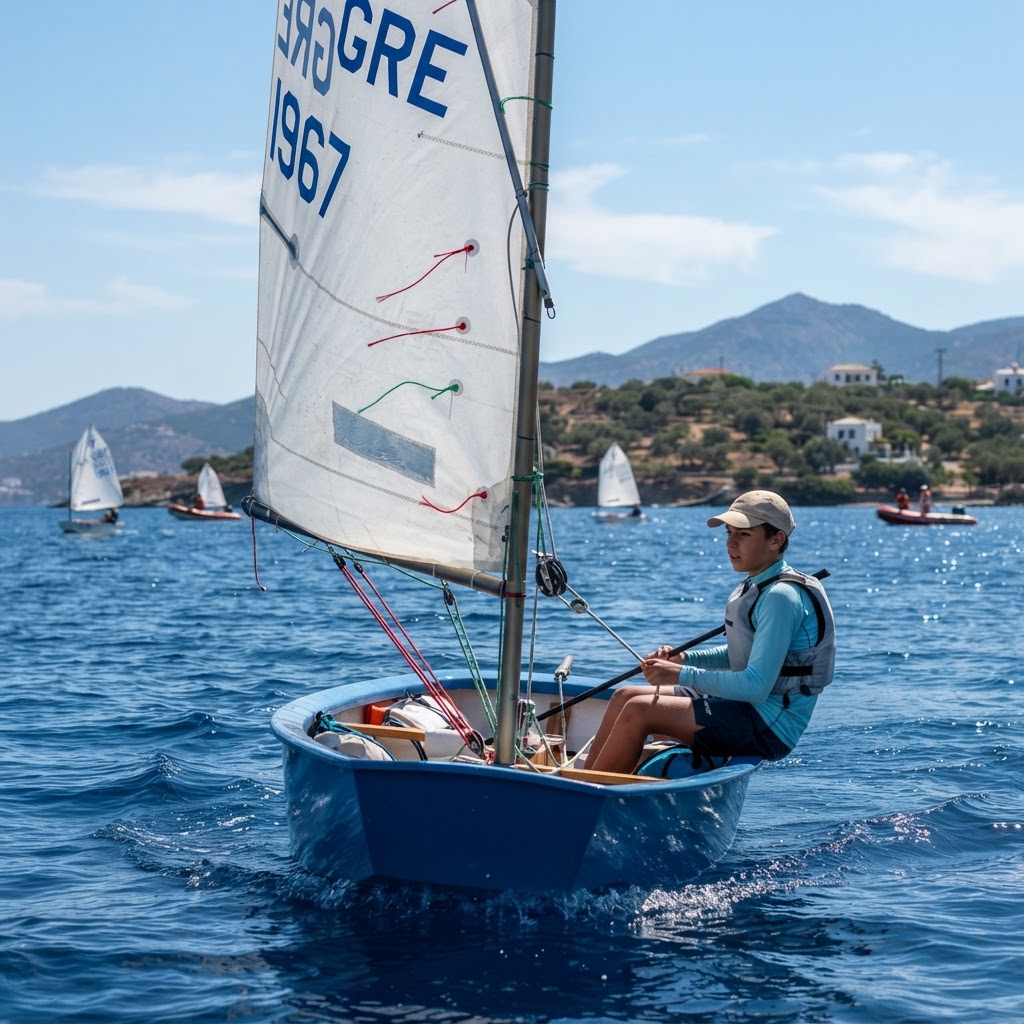
Mastering the Art of Reflection: The Sailing Debrief
In the world of competitive sailing, whether you are a young sailor navigating an Optimist in the sparkling waters of the South Euboean Gulf or an experienced ILCA athlete pushing for a podium finish, the race does not end when you cross the finish line. At the Nautical Club of Artemis-Spata (NOAS), we believe that the most significant learning happens in the moments after the sails are lowered. This process is known as the "sailing debrief," a vital pillar of athletic development that transforms every experience on the water into a building block for future success.
What is a Sailing Debrief?
At its core, a post-race analysis or debrief is a structured reflection session between the athlete and the coach. It is not merely a critique of errors, but a holistic review of the day's performance, psychological state, and strategic decision-making. For our young members in the Optimist Academy, this practice is the primary tool for fostering autonomy and deep tactical understanding. It shifts the focus from simple "winning or losing" to "learning and improving."
The Anatomy of an Effective Debrief
To conduct an effective analysis, we break the race down into critical phases. By isolating these moments, we can see exactly where the strategy held up and where it faltered.
1. The Pre-Start Routine
Did the athlete arrive at the start line with a clear plan? At NOAS, we emphasize the importance of understanding the wind shifts and the current in the Euboean Gulf before the horn sounds. A successful debrief begins by asking: "Did you have a clear lane, or were you fighting for space?"
2. The First Beat
This is where the tactical foundation of the race is laid. We examine the choices made: Did the sailor favor the favored side of the course? Was the wind pressure utilized effectively? This reflection helps sailors recognize if they were reactive to the fleet or proactive with their own plan.
3. Mark Roundings and Boat Handling
Rounding a mark is a high-pressure situation where technique meets chaos. By analyzing the approach, the maneuver, and the exit, we can pinpoint specific areas where boat handling—such as roll-tacking or sheet management—needs refinement.
4. Downwind Tactics
Managing the wind and waves downwind requires a different set of skills. We discuss whether the athlete stayed in the pressure or if they missed a tactical opportunity to gain speed. This often involves reviewing the body positioning and the sail trim, which are essential for maintaining speed in varying conditions.
Psychological Resilience and Growth
A critical part of the debrief is the emotional component. Sailing is a sport of high highs and frustrating lows. When a sailor makes a mistake, the debrief provides a safe space to deconstruct that frustration. At NOAS, we teach our athletes that mistakes are not failures; they are data points. By discussing these emotions openly, we prevent long-term anxiety and build the resilience necessary for lifelong engagement in the sport.
The Value of Data and Observation
While personal reflection is paramount, we encourage our athletes to observe others. Who won the start? Why did a specific boat accelerate faster off the line? By analyzing the leaders of the fleet, our sailors begin to develop a "sailing eye," a natural intuition that allows them to predict shifts and identify opportunities before they fully manifest. This transition from basic navigation to strategic mastery is what sets the NOAS training methodology apart.
Why Debriefing Matters at NOAS
The geography of our home in Artemis provides a unique variety of conditions, from light, tactical winds to challenging gusts in the South Euboean Gulf. Our athletes learn to adapt to these variables constantly. A structured debrief ensures that these lessons are not lost by the time the next training session begins. It turns the complex environment of the sea into an accessible classroom.
Whether you are a parent watching your child start their journey in the Optimist class or an adult curious about our ILCA training, understanding that the learning process extends far beyond the duration of a race is key. We invite you to witness our commitment to athlete development firsthand. Visit our facilities in Artemis, speak with our dedicated coaching staff, and discover how we integrate high-level technical analysis with the pure joy of sailing. If you are interested in a trial lesson for your child or wish to learn more about our upcoming training programs, our secretariat is always available to provide guidance and welcome you to the NOAS family.